
Are Automatic Driving Lessons Easier? A Driving Instructor Explains
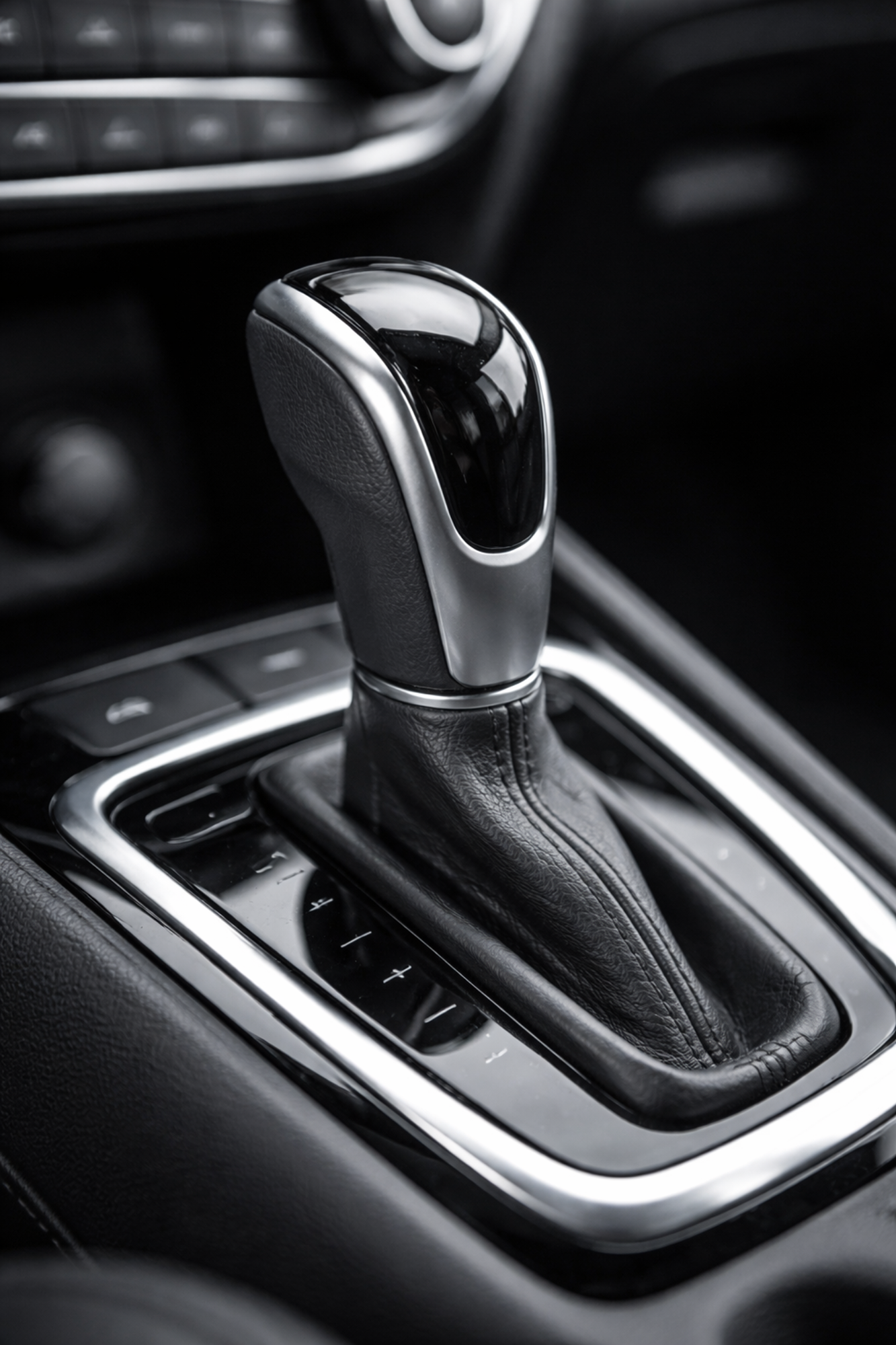
Keen to learn to drive in 2026? One of the first questions people mull over is: Are automatic driving lessons easier? This has become even more common since the advent of electric cars, which are steadily growing in popularity. Virtually all electric vehicles are automatic which means manual vehicles are likely to be phased out.
It’s also a popular option for more nervous learners. Learning to drive can feel overwhelming at first, and choosing between manual and automatic often adds to the confusion.
At 2nd2None Driving School, we speak to learners every day who are unsure which route to take. In this guide, we’ll look closer at whether automatic driving lessons are easier, who they’re best suited for and whether they could help you pass your driving test with more confidence.
What Makes Automatic Driving Lessons Different?
The key difference is simple: no clutch and no gears to change!
When behind the wheel of a manual car, you have to:
Control the clutch
Change gears regularly
Balance the clutch and accelerator when moving off
Prevent the vehicle from stalling
In an automatic car, the vehicle changes gear for you and all you need to focus on is:
Steering
Acceleration
Braking
Observation and decision-making
Because there are fewer tasks to manage, many learners find automatic driving lessons feel less complicated from the start.
So, Are Automatic Driving Lessons Actually Easier?
The short answer is, for many people, it’s a resounding ‘yes’. Removing the clutch and gear changes simply means you have fewer things to think about. That allows you to focus on:
What’s happening on the road
Other traffic
Anticipating hazards
Building your confidence
At 2nd2None Driving School, we often see learners pick up the basics more quickly in an automatic car, especially in the first few lessons. They tend to feel more relaxed because there’s less coordination involved.
Despite this, ‘easier’ doesn’t mean effortless. You still need to learn:
Road signs
Manoeuvres
Speed control
Hazard perception
Safe decision-making
The driving test standard is exactly the same whether you learn in a manual or an automatic car.
Why Some Learners Find Automatic Less Stressful
1. No Stalling
Stalling is one of the biggest confidence knocks for new drivers. It can feel embarrassing and stressful, particularly in busy traffic.
In an automatic car, stalling simply isn’t an issue. The car won’t cut out because there’s no clutch control required.
For nervous drivers, this can make a huge difference.
2. Easier in Traffic
If you’re learning in a busy town or city, constant gear changes can feel tiring.
Automatic cars handle that for you. In stop-start traffic, you won’t be repeatedly pressing the clutch and changing gears. That reduces mental and physical strain.
3. Smoother Hill Starts
If you make a hill start in a manual car, it requires balancing the clutch and good timing. In an automatic, the car is far less likely to roll backwards, which removes a common fear for learners.
Do You Learn Faster in an Automatic?
Often, yes.
Because there are fewer mechanical skills to master, some learners need fewer lessons to reach ‘test standard’. That said, it varies from person to person.
The DVSA’s average lesson recommendation applies to all learners, but your progress depends on:
Previous driving experience
Confidence levels
Frequency of lessons
Private practice
Individual learning pace
At 2nd2None Driving School, we’ve helped many learners pass their automatic driving test confidently and efficiently. For some, automatic driving was the key to unlocking progress after struggling in manual lessons.
Are Automatic Driving Lessons Better for Nervous Drivers?
In many cases, absolutely. If you’re someone who overthinks under pressure, often feels highly anxious and has tried manual lessons and felt overwhelmed, automatic driving lessons could be the ideal solution.
When learners feel calmer, they usually perform better. Confidence builds more quickly, and lessons feel more enjoyable.
We pride ourselves on providing patient, supportive instruction. Whether you’re a complete beginner or returning to driving after a break, we tailor lessons to suit you.
What About the Driving Test?
The practical driving test is the same standard in both types of car.
You’ll still be assessed on:
Independent driving
Manoeuvres (such as parallel parking or bay parking)
Following road signs
Observations
Control of the vehicle
The only difference is that you won’t be marked on gear changes or clutch control.
If you pass your test in an automatic car, your licence will allow you to drive automatic vehicles only. If you later decide you want to drive manual, you would need to take another test.
For many learners, this isn’t an issue. With more electric and hybrid vehicles on the road, automatic cars are becoming increasingly common across the UK.
The Confidence Factor
One of the biggest differences we see isn’t just technical ability, it’s confidence.
When learners feel in control and less overwhelmed, they:
Make better decisions
React more calmly
Progress more steadily
Automatic driving lessons often help create that calmer environment. Instead of fighting the car, you’re learning how to read the road.
That shift can make learning feel more achievable.
Find out more about our automatic driving lessons. Or simply contact our team for more information.
Comments